What the Research Shows
A substantial body of research links social media use — particularly image-centric platforms — with increased body dissatisfaction and appearance anxiety. The effect is strongest when feeds are dominated by appearance-focused content featuring heavily edited or filtered images, and when social comparison is a primary mode of engagement.
How Algorithms Amplify the Problem
Social media algorithms prioritise content that generates engagement — and appearance-related content tends to generate high engagement through comments, shares, and reactions. This means that algorithms naturally surface more appearance-focused content over time, creating a feedback loop that skews feeds toward body-focused material.
The Editing Reality
The vast majority of images in commercial and influencer social media have been edited — lighting, colour grading, body reshaping tools, and filters are standard practice. The images being compared to are not photographs of real people in normal conditions; they are produced images optimised for a specific effect. This context matters enormously when processing social comparison.
Practical Strategies
- Audit your feed: Notice which accounts consistently leave you feeling worse about yourself. Unfollow or mute them — even if you admire the content objectively.
- Diversify who you follow: Deliberately follow accounts showing diverse body types, ages, and aesthetics.
- Set time limits: Most smartphones allow app usage limits. Even 20–30 minutes less per day makes a measurable difference to mood.
- Passive vs. active use: Actively creating, commenting, and connecting tends to be less harmful to body image than passive scrolling through curated feeds.

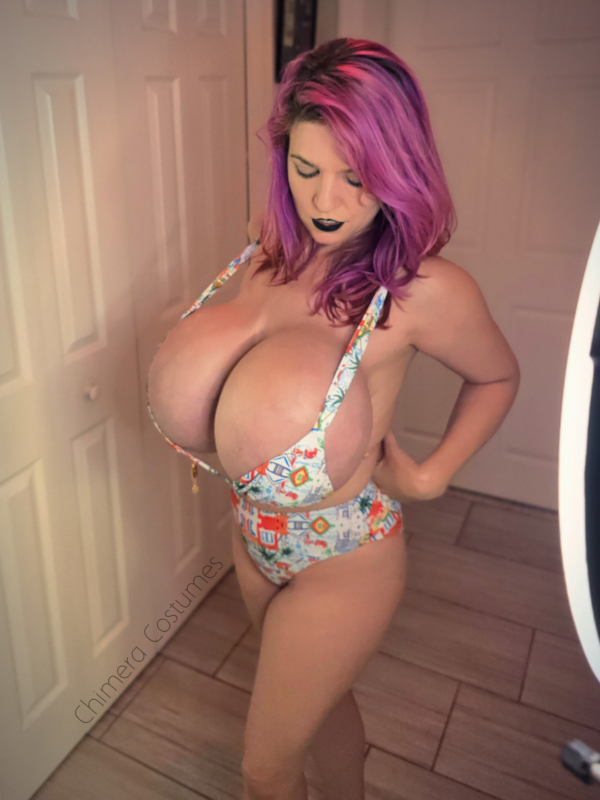
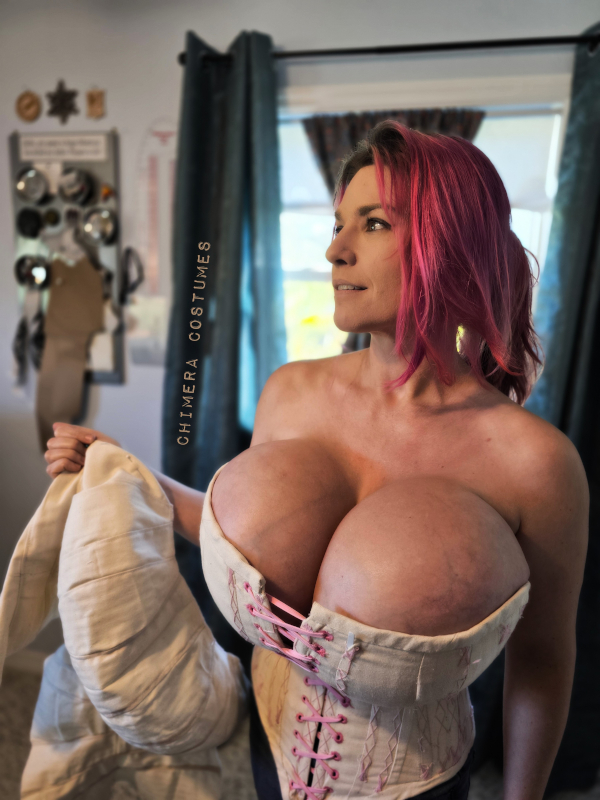
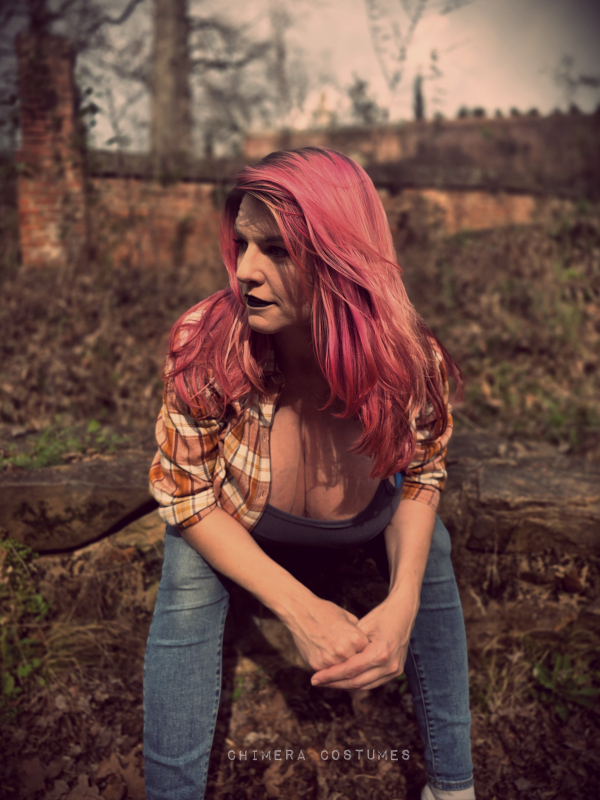
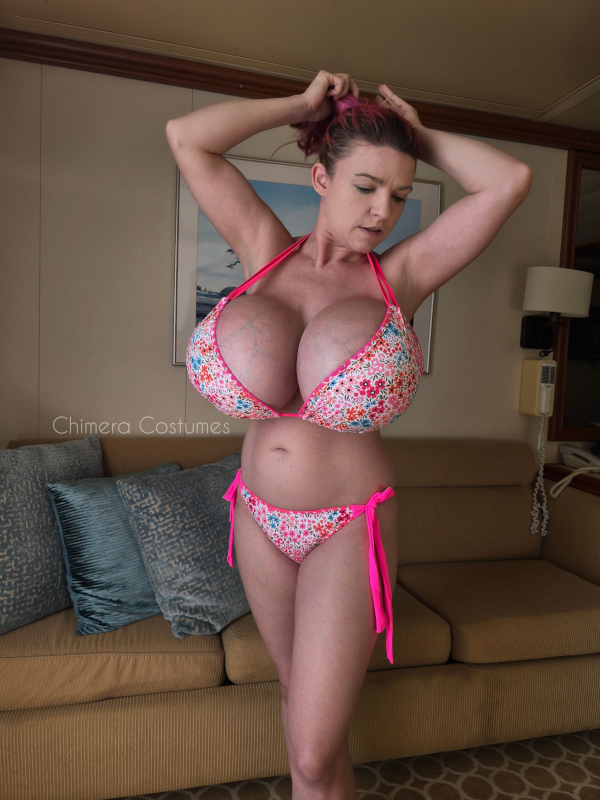
Featured Creator
Heidi of Chimera Costumes
Heidi at ChimeraCostumes.com is a master seamstress and body-confident cosplay creator who builds every costume to fit her full bust. Watch her build process free on Twitch and YouTube. Follow @ChimeraCostumes on Instagram and TikTok. Exclusive content on Patreon and OnlyFans (18+).